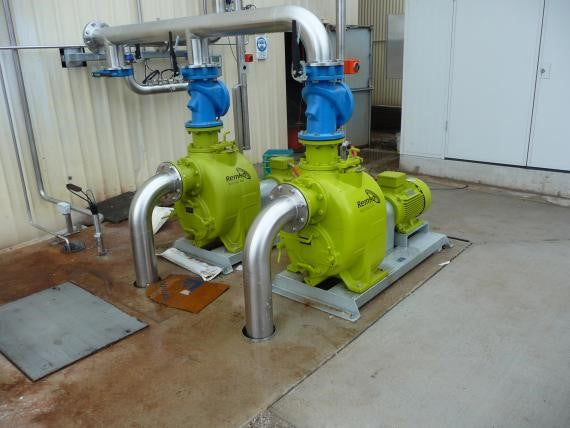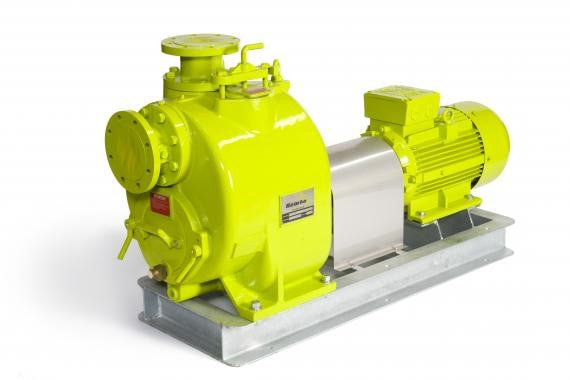

Dewatering pumps are available in multiple configurations, including piston and submersible models that utilize centrifugal forces for water removal. These devices prove invaluable in construction and mining operations, where they extract excess water from mines, tunnels, and building sites.
Industrial Applications
Dewatering pumps are often utilised by the mining and construction industries to get rid of surface water or groundwater and can lower the water table to enable safer, more efficient worker operations. On construction sites, removing water is essential before drilling and excavation for foundations. Mining operations require particularly robust models designed for continuous operation throughout extraction processes.
Pump Selection Criteria
Selection depends on the specific application. For water containing abrasive materials, filters must prevent larger debris from damaging pump mechanisms. For removing water containing solids, a dewatering pump that’s designed to remove sludge is the preferable option. Considerations include groundwater type, depth, site geology, and safe discharge locations.
Types of Dewatering Pumps
Submersible Models
Fully or partially submerged units that require minimal space, pushing fluid through pipes to the surface. Remko offers portable variants with stainless steel construction and water-cooled motors for civil construction, concrete plants, tunnels, and quarries.
Centrifugal Pumps
Surface-mounted units using inlet hoses to draw water and discharge it to holding tanks or ponds away from operating areas.
Positive Displacement Pumps
Self-priming models handling water, air, or combinations without separate primers, often deployed in well-pointing applications around construction perimeters.
Key Takeaways
- Dewatering pumps remove surface water and groundwater from work sites
- Essential for construction and mining operations
- Choose pump type based on water content and site conditions
- Options include submersible, centrifugal, and positive displacement